40 year old Ivy Violet McLeod, was found strangled in Victoria Avenue, Albert
Park in
Melbourne on 3 May 1942. She was partly naked and had been badly beaten by her attacker. An American soldier had been seen in the area just before her body was discovered. Robbery did not appear to be the motive for the crime as her purse still contained about one Pound's worth of small change.
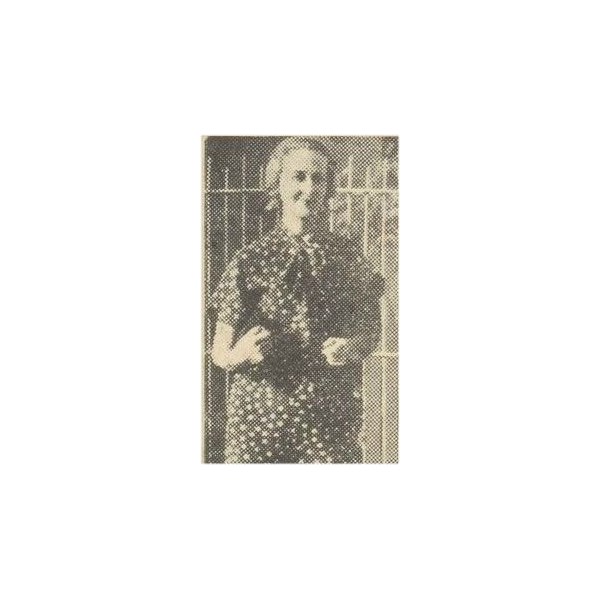
Ivy Violet McLeod
31 year old Pauline Thompson was the next victim on 9 May 1942. She had told her husband, a policemean in
Bendigo, that was going to a dance at the Music Lover's club with a number of her girlfriends and a very
young American, Private Justin Jones. She had planned to meet Private Jones at the American Hospitality Club before the dance at 7pm. Private Jones was 30 minutes late. Pauline gave up waiting for Jones and she was later seen with a soldier at the Astoria Hotel. They were seen leaving the hotel just before midnight. It was a dark, rainy miserable night. Pauline's body was found at about 4am on the steps of Morningside House in Spring Street. She had been badly strangled and her clothing was torn.
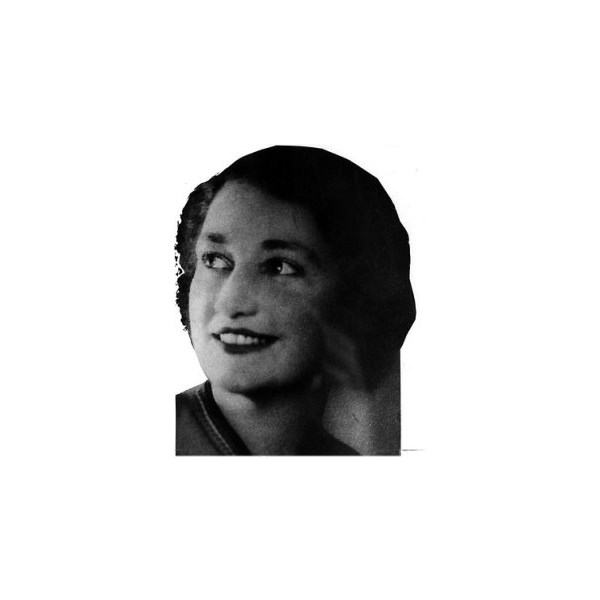
Pauline Buchan Thompson
40 year old Gladys Hosking was the next victim of the "Brownout Strangler" on 18 May 1942. Gladys and her friend Dorothy Pettigrew left the
Melbourne University that dark, wet night. They said goodbye to each other. She was apparently later seen sharing an umbrella with an American serviceman. A short time later, Private Noel
Seymour, an Australian soldier, saw an American soldier covered in mud. Private
Seymour was guarding some Army vehicles positioned just outside of
Camp Pell. The American asked
Seymour how to catch a tram to
Camp Pell.
Seymour asked him where he had been and the American soldier replied that he had fallen in some mud coming through the
park and indicated that he lived in Area One in
Camp Pell in the street near the zoo. A few hours later Gladys Hosking's body was found in a slit trench near
Camp Pell.
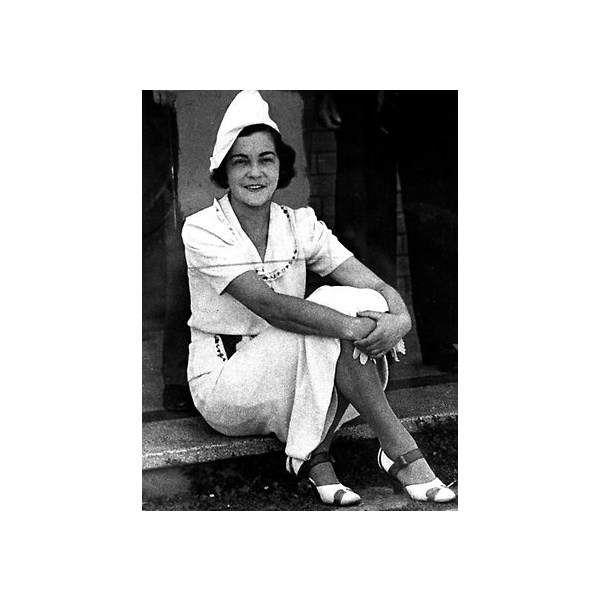
Gladys Hosking
Several other women now came forward to state that they had been attacked by an American serviceman, but had managed to escape. In one of these incidents the attacker had entered a women's flat. A person outside in the hallway distracted the attacker and the woman screamed. The attacker left in a hurry leaving behind a GI singlet with the initials EJL on it. In another case the attacker had tried to force a woman into her house but was confronted by the woman's uncle who chased the attacker away.
The 15,000 servicemen at
Camp Pell were lined up by the
Melbourne police so that witnesses could try to identify the murderer. 24 year old Edward Joseph Leonski of the 52nd Signal Battalion was eventually identified by the uncle of one of Leonski's victims who had managed to escape his attack. Leonski was then also identified by Private
Seymour who had seen him covered in mud near
Camp Pell on the night of the third murder. Leonski eventually confessed to the crimes.
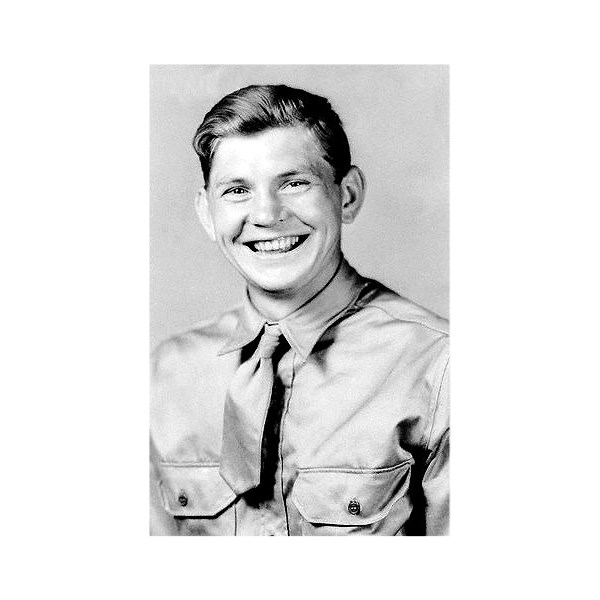
Edward Joseph Leonski
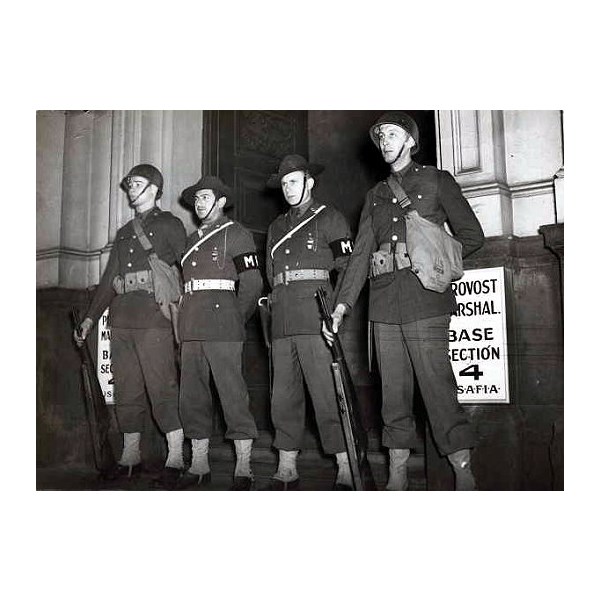
Trial of Eddie Leonski, the Brownout strangler, in Melbourne,
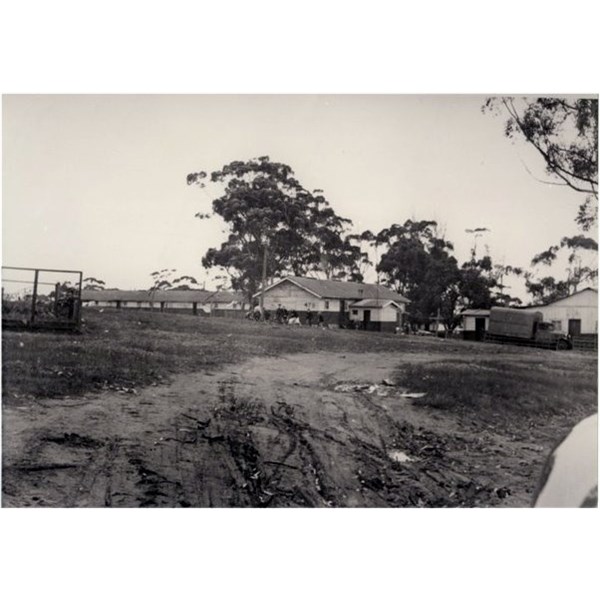
Camp Pell with Bourke and Wills monument in foreground
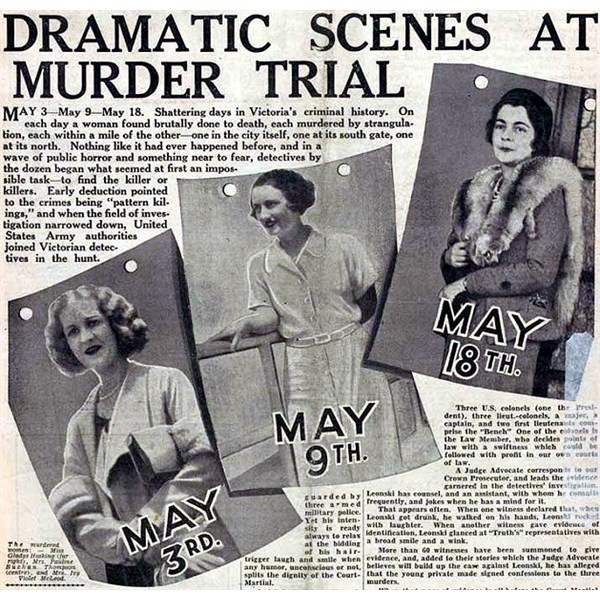
strangulation of three Melbourne women
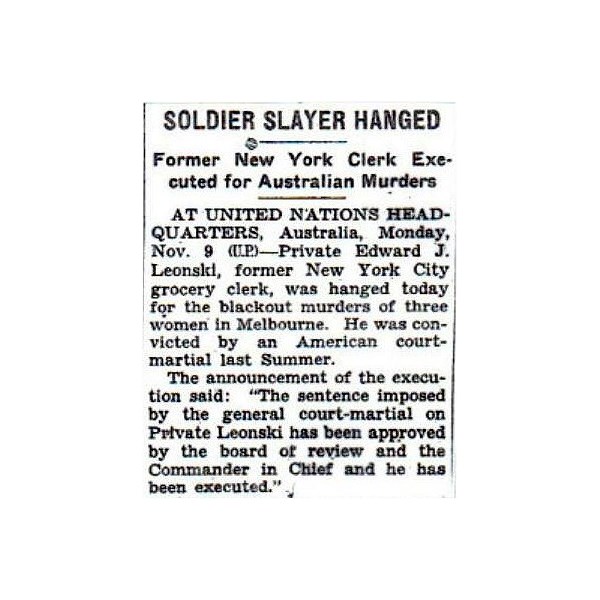
From the New York Times 9th November, 1942.
Eddie Leonski was apparently a happy go lucky sort of fellow who would often be seen walking on his hands in a hotel bar after he had become intoxicated. This was apparently nearly every night. During his general court-martial he was cheerful, always grinning and joking during the proceedings. He was often seen taking notes during his trial.
Leonski's mother was an unstable person and his father was an alcoholic.
Leonski was Court Marshalled by an American military court in a hall in Russell Street,
Melbourne. He was sentenced to death by hanging. General Douglas
MacArthur confirmed the sentence on 4 November 1942. Leonski was hung at Pentridge Prison on 9 November 1942.
Leonski was buried 3 times in two segregated sites in Springvale
Cemetery. In May 1945, his remains were recovered and he was buried in an USAF
Cemetery in
Ipswich just west of
Brisbane. In 1947, it was decided that all Americans buried in Australia would be relocated to American soils. Leonski's remains were unearthed again and sent to America where they stayed in an Army mausoleum for 6 months. They were then transferred to an Army Distribution Center for another 9 months. His remains were finally buried in a military
cemetery in Honolulu.
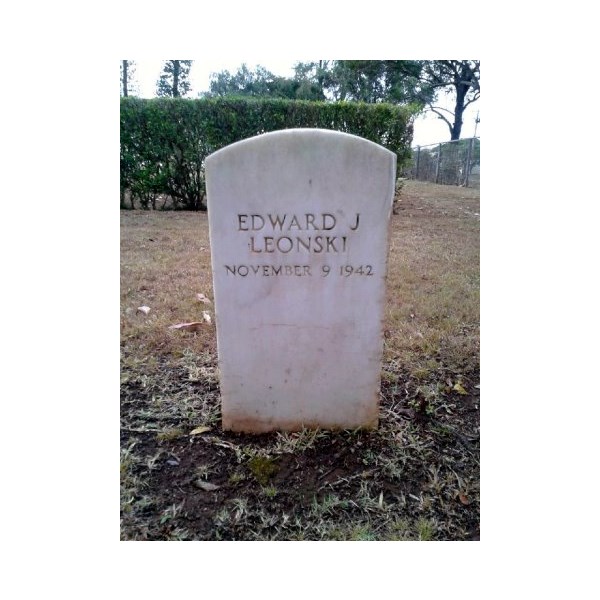
Burial Place Schofield Veterans Cemetery, Wahiawa, Hawaii.
.